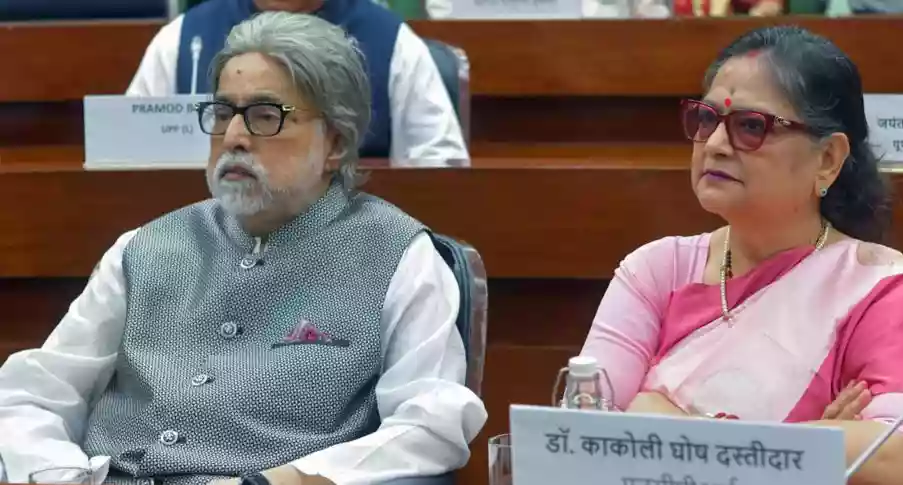
"Smaller parties shouldn't be prioritized": Sudip Bandyopadhyay hits at TMC
.gif)

Download Mobile App 






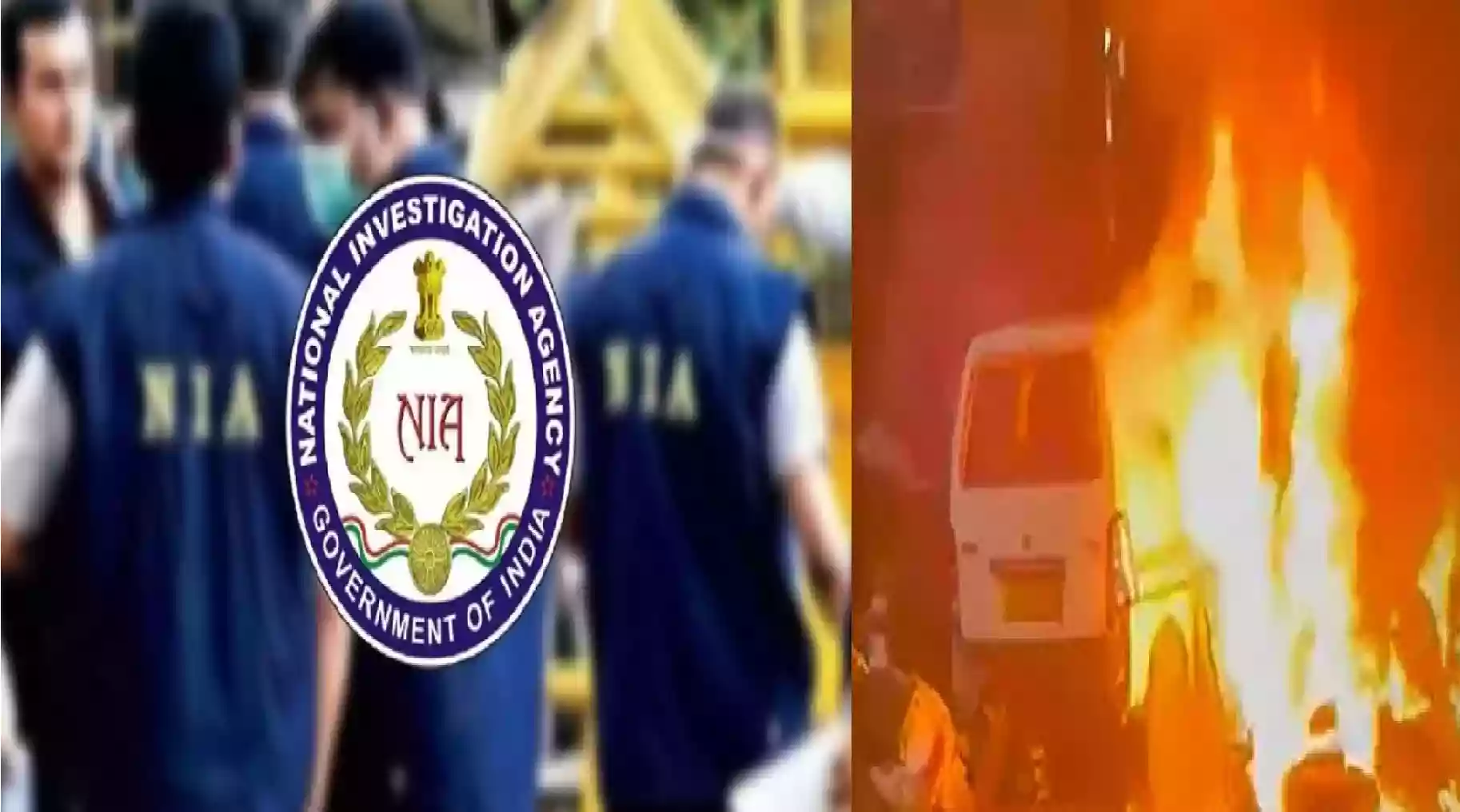
In a dramatic twist that's sending ripples through the medical and security circles, National Investigation Agency (NIA) has swooped in to arrest a doctor from West Bengal, unearthing potential terror ties in the chilling probe into the deadly car blast near Delhi's iconic Red Fort. The suspect, 24-year-old Zanishar Alam—better known as Nisar Alam—an MBBS pass-out from Faridabad's Al-Falah University in 2024, was nabbed from his home in Uttar Dinajpur's Surjapur bazar after sleuths traced his digital footprints and call records back to the explosive incident that rocked the capital last month. What started as a low-key detonation of an abandoned car packed with crude bombs has ballooned into a sprawling 'white-collar' terror network investigation, with Alam allegedly rubbing shoulders with a shadowy group of doctors suspected of channeling funds and logistics for outfits like Jaish-e-Mohammed (JeM).
As Delhi Police and NIA teams comb through his devices and family ties—his folks long settled in Punjab's Ludhiana—this arrest paints a picture of educated professionals moonlighting in menace, turning white coats into whispers of conspiracy that have authorities on high alert across Haryana, Punjab, and beyond.The raid unfolded with joint teams storming Alam's modest residence hauling him away for intense grilling while his shocked relatives watched in disbelief. As per reports, Alam's name popped up in call detail records linking him to Dr. Muzammil Ganaie, a key accused of Red Fort car blast who is already in custody, alongside other detained medicos like Dr. Shaheen Saeed and Dr. Umar Mohammed from the same Al Falah university—forming what investigators dub a 'doctor's den' of dubious dealings. These professionals, trained to heal, are now under the microscope for allegedly using their positions to funnel resources under the guise of medical aid, a tactic that's alarmed counter-terror experts who fear a sophisticated shift in radical recruitment.
Alam, described as soft-spoken and studious by neighbors, hails from a family that's woven into the fabric of border life, but his sudden spotlight has shattered that calm, prompting whispers of how vulnerability in fringe areas might be exploited by extremists. As NIA deepens its dive, vowing to dismantle this emerging network before it festers, the arrest serves as a stark wake-up call on the blurred lines between profession and peril in modern terror battles. With forensic teams sifting through seized gadgets and financial trails, the focus sharpens on preventing similar sleeper cells from activating in urban shadows. Yet amid the tension, this bust underscores the relentless grind of India as well as Bengal's security apparatus: one arrest today could avert explosions tomorrow, reminding us that threats often hide in plain sight, behind stethoscopes and smiles.







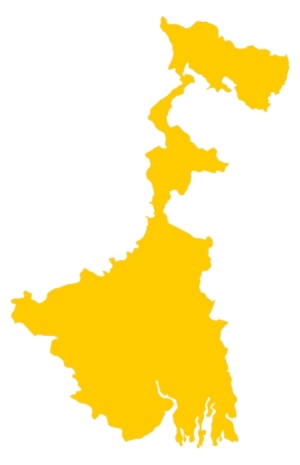 West Bengal
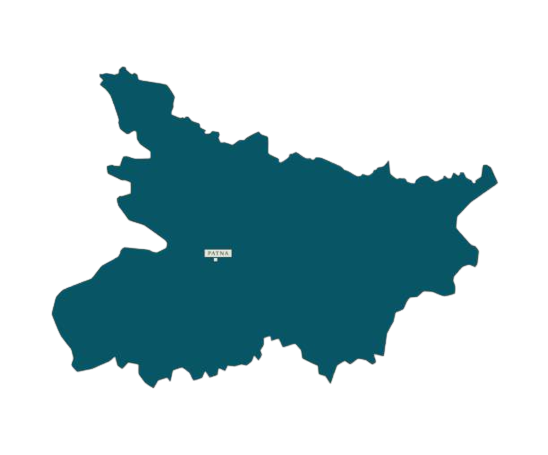 Bihar
Bihar Uttar Pradesh
 Jharkhand